

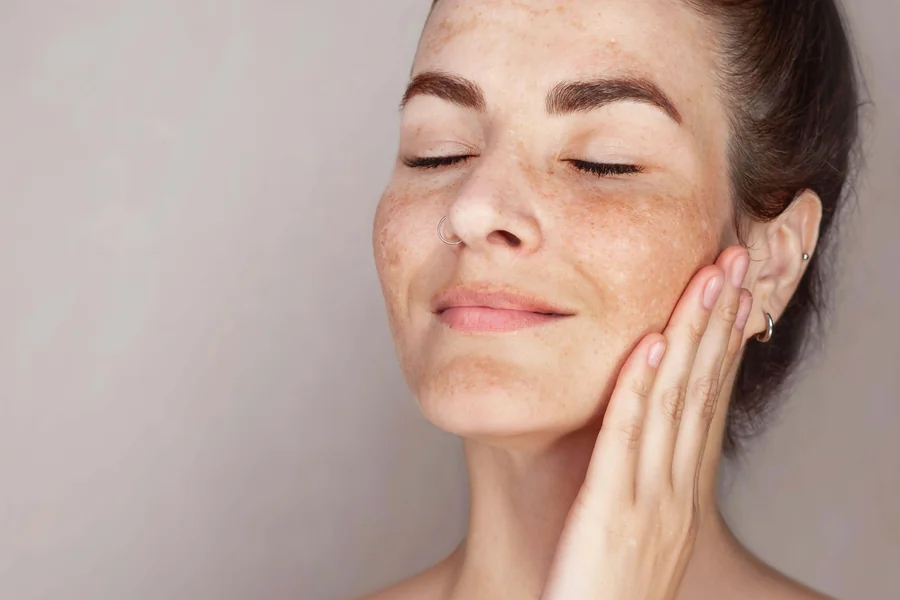
Noticing dark spots, uneven tone, or patches of discoloration on your face? You’re not alone. Pigmentation is one of the most common skin concerns today—and while it can be frustrating, it’s also your skin’s way of sending a message. Whether it’s due to sun exposure, hormones, or inflammation, your skin is trying to tell you something. The good news? With the right knowledge and the help of targeted face creams for pigmentation, you can address the issue head-on and reclaim your skin’s natural radiance.
What Is Your Pigmentation Really Saying?
Excess melanin synthesis is the core cause of skin pigmentation, of course this pigment gives skin, eyes and hair its color. When your skin starts producing melanin, either too much or in the wrong places—you’ll notice dark spots or patches that stand out from your natural tone. This is referred to as hyperpigmentation, and it usually means your skin has been triggered by something—and is now trying to protect or heal itself.
Here are the most common types of pigmentation and what they’re telling you:
Types of Pigmentation and Their Causes
1. Sunspots or Age Spots
These flat, brown spots often appear on the cheeks, nose, forehead, and hands. Prolonged UV exposure overstimulates melanin production, causing clusters of pigment to form over time, as highlighted by allsimiles.
2. Melasma
This pigmentation usually appears as symmetrical, blotchy patches—most commonly on the cheeks and upper lip. It’s often triggered by hormonal changes like pregnancy or birth control.
3. Post-Inflammatory Hyperpigmentation (PIH)
PIH occurs after acne, eczema, or injury. This is especially common in deeper skin tones and can linger long after the original issue has cleared.
How Face Creams for Pigmentation Can Help
Your skin may be signaling distress, but the right face creams for pigmentation can calm, correct, and restore balance.
These creams are specifically formulated to:
Regulate melanin production to prevent new pigmentation
Fade existing dark spots by speeding up skin renewal
Soothe inflammation that causes post-acne marks
Protect against future damage with antioxidants
What sets effective pigmentation creams apart is their use of active ingredients that are both safe and backed by clinical research.
Top Ingredients That Work
Niacinamide (Vitamin B3): Reduces the transfer of pigment to skin cells and brightens tone.
Vitamin C: An antioxidant that fades dark spots and shields against environmental stress.
Kojic Acid: A natural ingredient that blocks melanin production at the source.
Alpha Arbutin: Gently lightens skin without the irritation of harsh chemicals.
Licorice Root Extract: Calms the skin while visibly improving discoloration.
These ingredients work best when applied consistently—and always in combination with daily sun protection.
ARM Pearl Beauty: Where Nature Meets Science
ARM Pearl Beauty has formulated skin brightening and face pigmentation cream. The active ingredients help reduce the pigmentation spots along with boosting the skin radiance. Its non-greasy texture is ideal for everyday usage, suits all skin types.
Tips for Faster, Safer Results
Use sunscreen every day, even indoor UV rays are the 1 trigger for pigmentation.
Be patient: Most treatments take 6–8 weeks of consistent use to show visible changes.
Avoid picking pimples or over-exfoliating, which can cause more pigmentation.
Stick to a routine: Cleanse, treat, moisturize, and protect your skin morning and night.
Final Thoughts
Pigmentation isn’t just a cosmetic issue—it’s your skin’s way of saying, “Something needs attention.” Whether it’s hormonal, environmental, or inflammatory, treating pigmentation begins with understanding its cause. And with the help of the right face creams for pigmentation, you can fade discoloration, protect your skin’s health, and reveal a smoother, more even complexion.
